 By Josie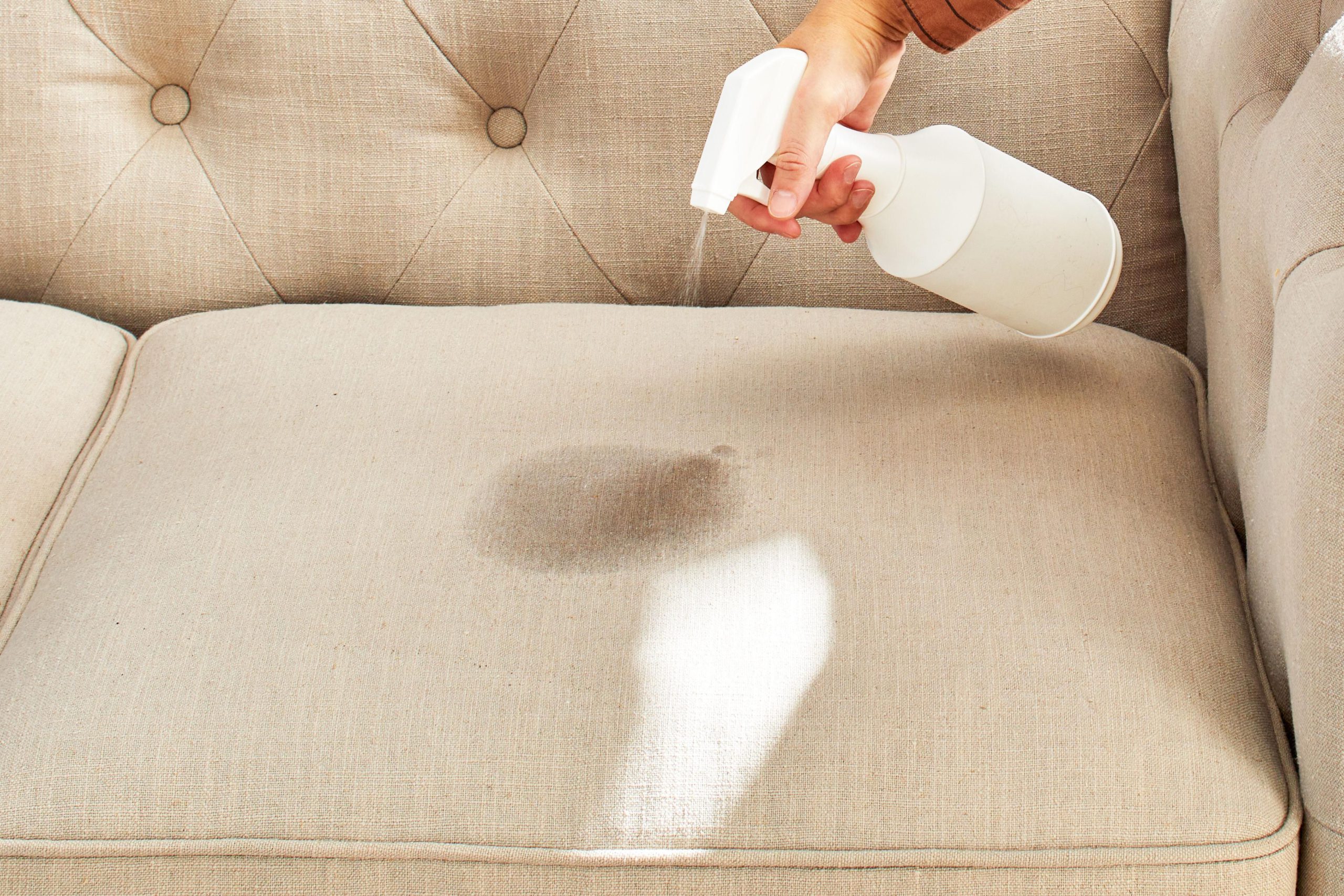
Upholstered furniture adds comfort, style, and warmth to any living space. Sofas, armchairs, and dining chairs often become the center of daily activities such as relaxing, entertaining guests, and spending time with family. However, with regular use, upholstery inevitably encounters stains from food, beverages, dirt, and accidental spills. Knowing how to handle everyday upholstery stains without damaging the fabric is essential for preserving the beauty and longevity of furniture.
Many homeowners worry that cleaning stains might harm the fabric or cause discoloration. The key is to use gentle methods, appropriate cleaning solutions, and proper techniques that remove stains while protecting the integrity of the upholstery.
Understanding Upholstery Fabric Before Cleaning
Before attempting to remove any stain, it is important to understand the type of fabric used in the upholstery. Different materials respond differently to moisture and cleaning products. Natural fibers like cotton and linen may soak up liquids quickly, but man-made fibers like polyester and microfiber are better at stain resistance.
Most furniture manufacturers include cleaning codes on tags beneath cushions or on the underside of the furniture. These codes indicate whether the fabric should be cleaned with water-based solutions, solvent-based cleaners, or vacuum-only methods. Identifying these instructions helps ensure that the cleaning approach will not damage the fabric or cause unwanted fading.
Acting Quickly When a Spill Occurs
Immediate action is one of the most effective ways to prevent stains from becoming permanent. To get rid of as much liquid as possible after a spill, gently blot the area with a clean cloth or paper towel. It is always better to press a stain than to rub it in, since rubbing can make the stain go deeper into the fibers and spread it across the cloth.
Using light pressure helps remove excess moisture without damaging the upholstery. Once most of the liquid is absorbed, the next step is to treat the stain with a suitable cleaning method.
Using Mild Cleaning Solutions
For many everyday stains, a mild cleaning solution is enough to restore the appearance of the fabric. A mixture of warm water and a small amount of gentle dish soap can work effectively for stains such as juice, soda, or light food spills. Put the solution on the spot with a soft cloth and pat it down gently.
Testing the cleaning mixture on a hidden section of the furniture is always recommended before applying it to a visible area. This safety measure makes sure that the cleaner doesn’t change the fabric’s color or feel.
Removing Different Types of Common Stains
Different stains require slightly different approaches. For example, grease or oil stains often respond well to absorbent materials such as baking soda or cornstarch. Sprinkling a small amount over the stain and letting it sit for several minutes can help draw out the oil before vacuuming the powder away.
Ink stains may require a small amount of rubbing alcohol applied carefully with a cotton swab. Meanwhile, stains from beverages like coffee or tea usually respond well to mild soap solutions. Understanding these variations allows homeowners to treat stains effectively while maintaining the quality of the upholstery.
Homeowners looking for more detailed insights into common upholstery stains and safe removal techniques can explore helpful resources such as https://www.ultra-guard.com/the-5-most-common-upholstery-stains-and-how-to-remove-them/, which explains several typical stain scenarios and their solutions.
Avoiding Harsh Chemicals and Excess Moisture
One of the most common mistakes people make when cleaning upholstery is using strong chemical cleaners or excessive water. Harsh chemicals may weaken fibers, cause discoloration, or leave residue behind. Similarly, soaking the fabric with water can damage the padding underneath and lead to unpleasant odors or mold growth.
Instead, gentle cleaning solutions and controlled moisture levels help maintain both the appearance and structure of the upholstery.
Maintaining Upholstery to Prevent Future Stains
Maintaining furniture on a regular basis is a key part of keeping it clean and free of stains. When you vacuum your furniture often, you get rid of dust, crumbs, and other things that can get stained over time. Protective products made for furniture can also help keep liquids away and make cleanup easier when spills happen.
Placing throws or covers on frequently used furniture areas can add another layer of protection, especially in homes with children or pets.
Keeping Upholstered Furniture Looking Its Best
Handling everyday upholstery stains does not have to be complicated. With prompt attention, gentle cleaning methods, and an understanding of different fabric types, homeowners can remove most stains safely without harming their furniture. Taking a careful and informed approach helps preserve upholstery while maintaining a clean and welcoming home environment.
By learning proper stain removal techniques and practicing regular furniture care, it becomes much easier to protect upholstery from damage and keep it looking fresh for years to come.