 By Josie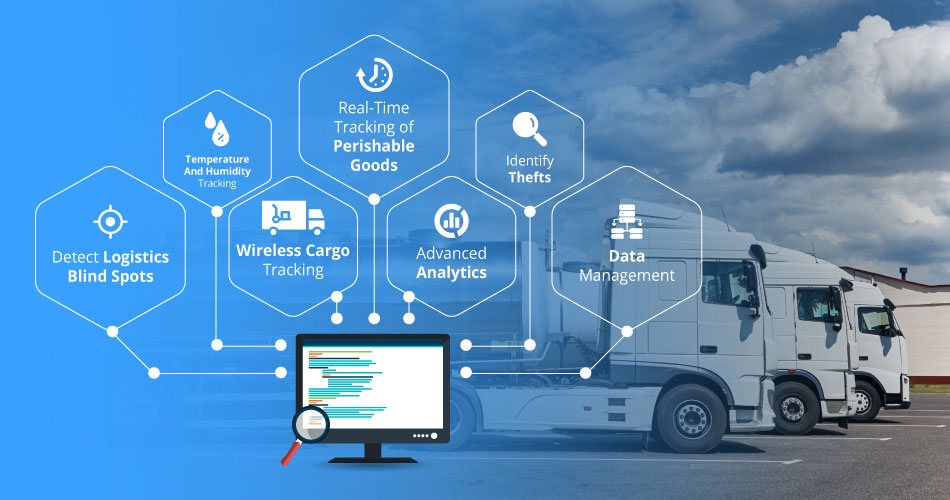
Global trade relies on the safe and timely movement of goods across complex logistics networks. As supply chains become increasingly interconnected, businesses need advanced tools to ensure visibility, security, and operational efficiency. Sensor-based cargo monitoring systems are emerging as the solution, providing real-time data that can transform logistics management.
How Sensor-Based Systems Work
Sensor-based cargo monitoring systems use intelligent devices installed in containers, pallets, or vehicles. These devices track multiple parameters such as location, temperature, humidity, vibration, and even light exposure. The collected data is transmitted to central platforms, allowing logistics teams to monitor shipments continuously. By detecting irregularities during transit, companies can take immediate action to prevent delays, spoilage, or security breaches.
The Role of GPS Seals in Cargo Security
One of the most promising innovations in cargo monitoring is the GPS Seal. Unlike traditional seals, a GPS Seal provides both location tracking and tamper detection. It alerts logistics managers if a container is opened without authorization or diverted from its intended route. This dual functionality ensures that high-value or sensitive shipments remain secure while giving supply chain managers actionable, real-time data. The ability to combine security with monitoring makes GPS Seals a critical tool for modern logistics operations.
Benefits Beyond Security
Sensor-based cargo monitoring offers more than just theft prevention. Continuous tracking is very helpful for things that are sensitive to temperature, like medicines, food, and chemicals. Sensors can detect temperature fluctuations or environmental conditions that may compromise product quality. Alerts can be sent immediately, enabling corrective actions to be taken before damage occurs. This proactive approach reduces losses and improves compliance with industry regulations.
Integration with Advanced Technologies
The future of sensor-based cargo monitoring is closely tied to advancements in Internet of Things (IoT) devices, cloud computing, and data analytics. Modern sensors are smaller, more energy-efficient, and capable of transmitting large amounts of data in real time. Combined with AI and machine learning, the data collected can predict potential disruptions, optimize shipping routes, and improve overall supply chain efficiency. The integration of GPS Seals with IoT platforms further enhances monitoring, providing end-to-end visibility across all transportation modes.
Preparing for the Next Generation of Logistics
Companies that want to stay competitive need to use sensor-based monitoring systems as their supply lines become more global. When businesses buy GPS Seals and other sensor technologies, they get better security, more efficient operations, and more trust from customers. Businesses can predict problems, act faster, and make sure shipments get to their destinations safely and on time by using real-time data.
Conclusion
Sensor-based cargo monitoring systems are revolutionizing the logistics industry. With innovations like the GPS Seal, supply chain managers can track shipments, prevent tampering, and maintain optimal conditions for sensitive goods. As technology keeps getting better, the future holds even smarter and more connected tracking systems that will change the way cargo is protected and operations are run. Companies that use these tools now will be better prepared to deal with the challenges of current global trade.